Why Writing Your Wedding Speech Is the Hardest Way to Do It
Writing forces structure too early. There's a better way to start.
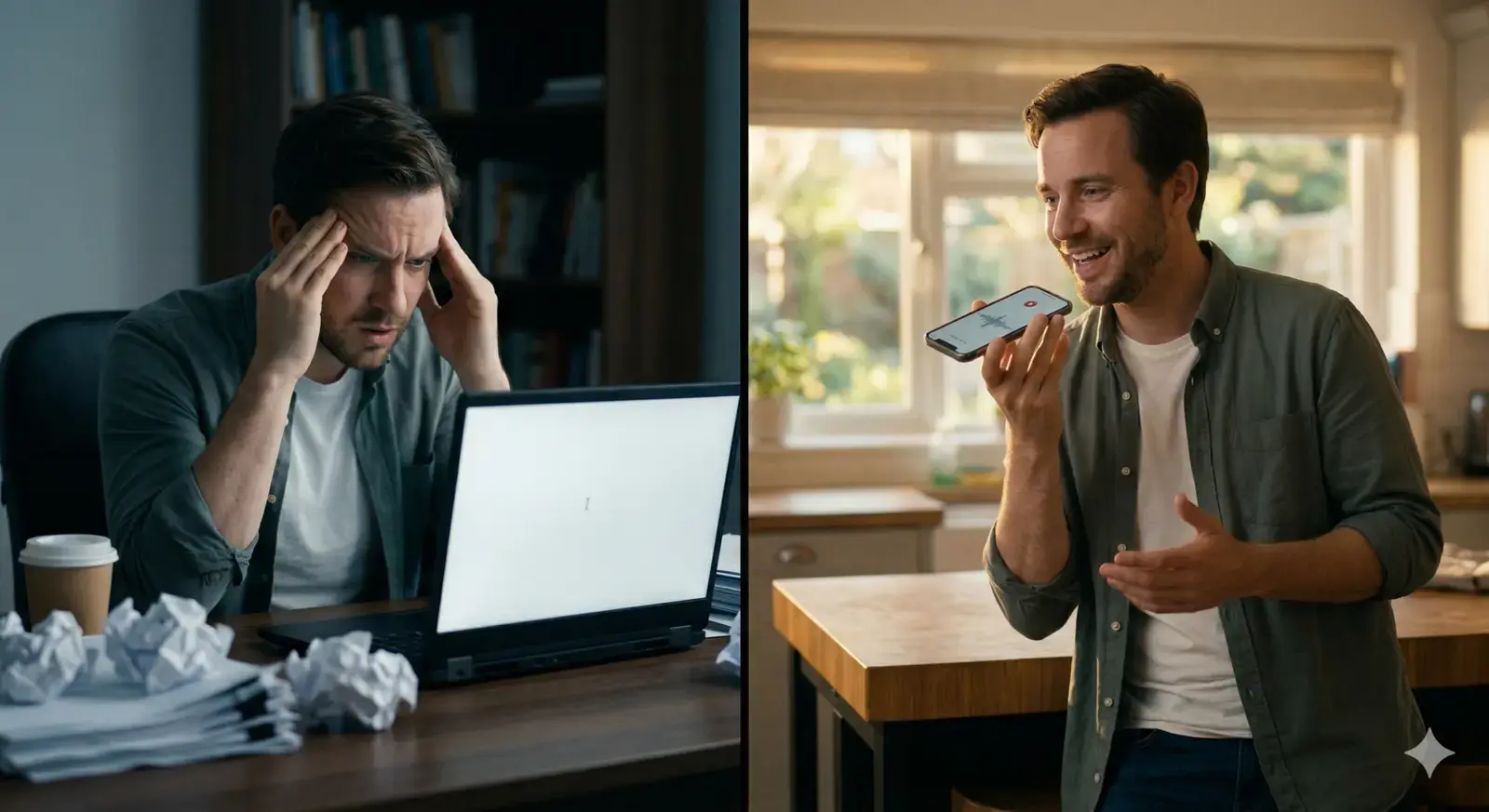
You love them. You have a thousand things you could say about them. So you open a blank document, stare at it for twenty minutes, type one sentence, delete it, and close your laptop.
Then you do the same thing tomorrow. And the day after that.
This isn't writer's block. You're just using the wrong tool.
You're practising a spoken performance with a written tool
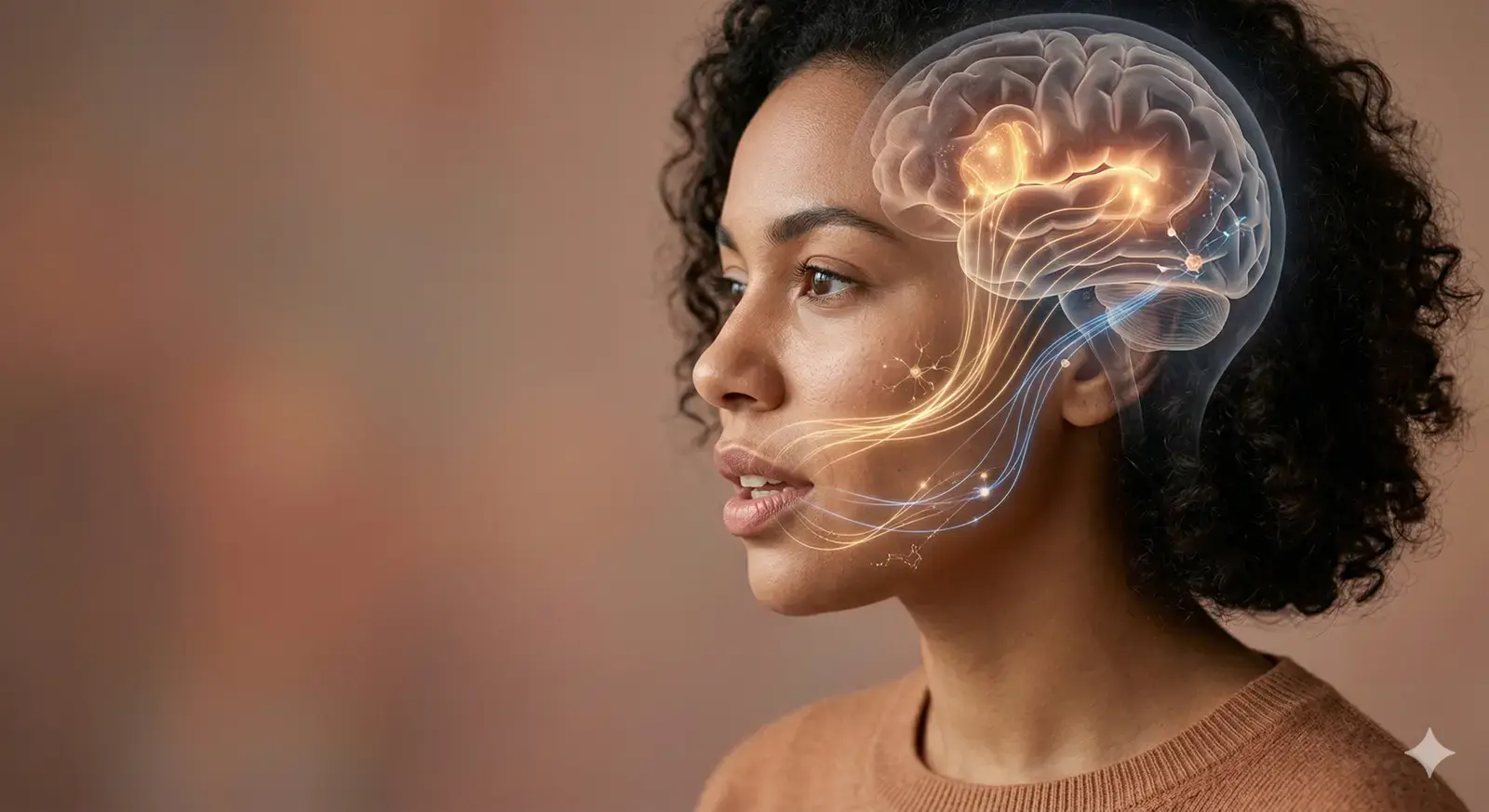
A 2015 study from Johns Hopkins University found that writing and speaking are handled by completely different systems in the brain. Not just different muscles. Different cognitive pathways. Researcher Brenda Rapp called them "two quasi-independent language systems."
Read that again. The brain system you use to write your speech is a totally different one to the system you'll use to deliver it. You're basically rehearsing a dance by drawing diagrams of your feet.
No wonder it feels impossible.
Blank pages make everything worse
Wedding speech coaches say that coming back to a blank page day after day actually increases anxiety. The pressure compounds. You start convincing yourself you need a perfect opening line. You reach for words that sound "speechy." You write sentences that look fine on screen but would sound absolutely absurd out loud.
Writing forces you to structure too early. You start editing before you've worked out what you actually want to say. And the longer you stare at that page, the more your memories start to feel inadequate, like nothing is good enough for a speech.
But that's the writing doing that to you. Not the memories.
How you actually remember stories
Think about the last time you told a mate a funny story about the couple. You didn't start with a topic sentence. You probably jumped in mid-thought: "OK so you know how Jake is with directions, right?" and the whole thing tumbled out from there. Tangents, laughter, details you'd forgotten you even remembered.
That's how memory works. It's emotional, nonlinear, and story-shaped. Research from the University of Chicago shows that the more emotional a moment, the stronger the memory. And storytelling activates the hippocampus along with auditory, visual, and emotional centres all at once.
Writing flattens all of that. Speaking brings it back.
Speaking unlocks the stuff you'd never type
When you talk about someone you love, you don't reach for clichés. You reach for the specific. The time she turned up at your door with a suitcase and a plan. The way he always burns the toast but insists he's "caramelising" it.
Those details are what make a wedding speech actually land. As The Wedding Edition puts it, memorable speeches "come from people who tell one real story, mean what they say, and know when to stop." Not from whoever writes the best paragraph.
This is the idea behind talk-first speech writing. Instead of trying to write something perfect, you start by saying what's true. Structure comes later.
Try this right now. Open your phone's voice recorder. Talk for two minutes about how you met the person you're giving the speech for. Don't plan it. Just talk like you're telling a friend.
Listen back. You'll hear things you never would have typed.
So skip the blank page
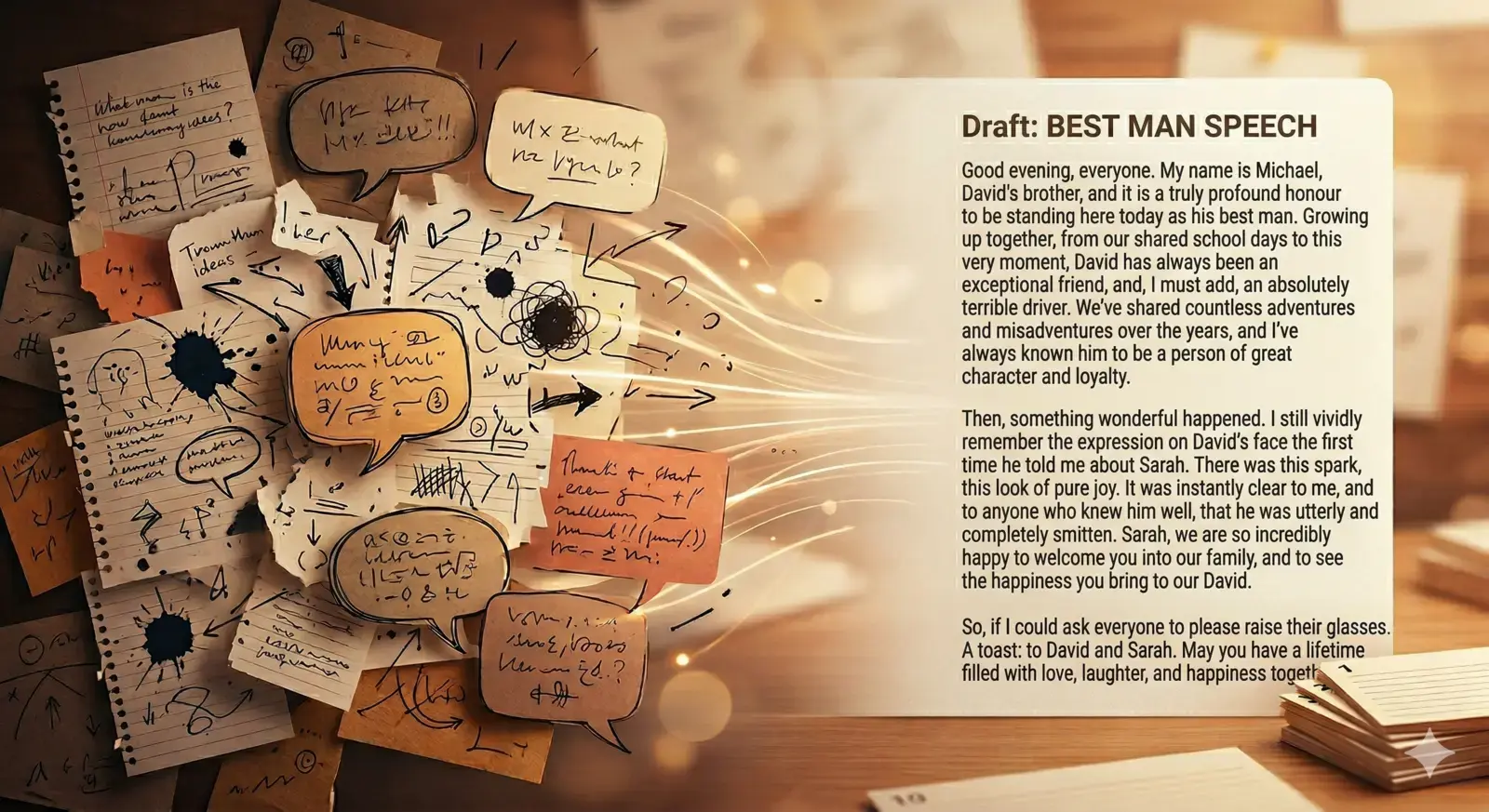
Talk first. Get the raw stories, the real emotions, the weird specific details out of your head and into the air. Then shape it.
That's what NailTheSpeech is built for. You talk through your memories and it turns them into a structured, personal speech. One that sounds like you, because it started with you.
Great wedding speeches don't start with writing. They start with someone just... talking.
And once you hear yourself say it, you'll know exactly what to say on the day.
Ready to try talk-first speech writing?
Skip the blank page. Speak your memories and Nail The Speech will turn them into a speech that sounds like you.
Start Your SpeechNot ready to write yet? Grab the free 10-questions PDF to find your stories first.
Related Articles
Great speeches start with speaking
The only wedding speech generator that starts with your voice. Talk through your memories and get a speech you're proud to deliver.
Start Your Speech